
Sarnia, Ontario: Where Great Lakes Heritage Meets Economic Transformation
Situated on the eastern shore of the St. Clair River, at the point where the sapphire waters of Lake Huron flow south, is Sarnia, in Ontario—a community known for its striking waterfronts, its strong industrial heritage, and its important geographical location. Since it is the largest city on Lake Huron, Sarnia acts as a key link between Canada and the United States, being directly connected to Port Huron, Michigan through the well-known Blue Water Bridge. Although it has in the past been regarded as a major centre of North America’s petrochemical industry, modern-day Sarnia is experiencing a remarkable transformation, managing to combine its established industrial character with a fresh dedication to ecological sustainability, bio-based innovation, and lively waterfront tourism.
The distinctive character of the city comes about because of its multiple aspects. Indeed, its position close to important shipping routes and rail lines meant that Sarnia became known as “Chemical Valley” and has since provided continuous employment and developed the area’s energy infrastructure for many years. At the same time, the geographical advantages of Lambton County—such as miles of clean sandy beaches, large park areas like Centennial Park, and deep-water mooring facilities—contribute to a high standard of living based on outdoor activities. Nowadays, both visitors and residents meet up on the St. Clair River trail system to watch the international freighters move through the current as the beautiful sunsets appear, this serving as a symbol of the ongoing nature of trade and community life.
Above all, Sarnia is not any longer defined just in terms of traditional energy. The area has actively diversified and has become a hub throughout the country for research in the bio-industrial sector, clean technology, and hybrid chemical manufacturing, thanks to initiatives based at the Western Sarnia-Lambton Research Park. This shift in the economy is also accompanied by a vibrant local culture, as shown by the art galleries in the downtown area, the annual waterfront festivals, and the strong sense of community pride.
Sarnia is a dynamic city in Canada which combines its historic industrial background with a sustainable future, as shown by its important role in cross-border commerce, the attractive scenery of its Great Lakes shoreline, and its leadership in the field of green chemistry. The article looks at the main economic factors, the geographical benefits, and the cultural changes that are helping to turn Sarnia into a noteworthy modern urban area on Canada’s southwestern border
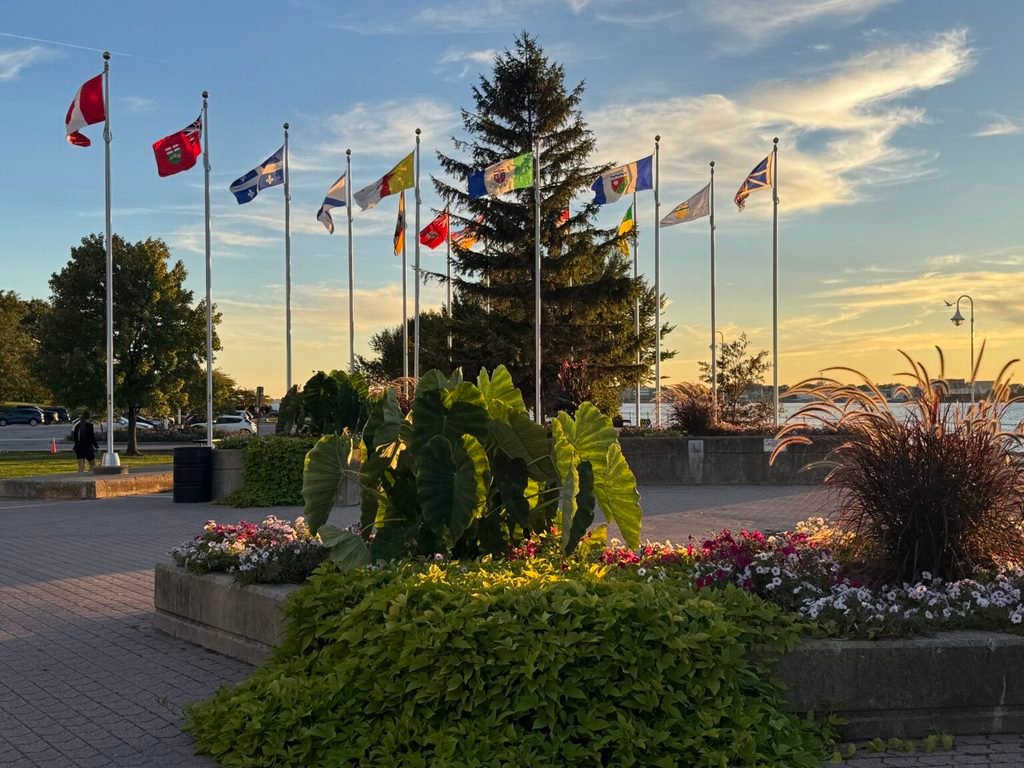
Beyond its industrial achievements and economic reorientation, the real essence of Sarnia can be seen in the wide stretches along the St. Clair River. Thoughtfully planned public parks and civic landmarks form a welcoming link between urban life and the natural surroundings. A clear expression of the community’s pride is displayed at the waterfront flag court in Centennial Park, where the Canadian national flag is flown side by side with those of Canada’s provinces and territories, giving a stunning view of the river and the adjacent maritime routes. Surrounded by carefully arranged flower beds, dense tropical plants, and large areas of green lawn, this meeting place shows off Sarnia’s commitment to developing high-quality public infrastructure that respects both local heritage and national unity.
Centennial Park itself is a symbol of urban renewal and environmental care. After undergoing thorough environmental cleanup and a complete redesign, the park has become the central point of leisure and cultural activities in Sarnia. Every day, the walking paths are used by residents, cyclists, and tourists who enjoy the fresh air by the water. The park features lively summer concert series, food festivals, and community events, making the shoreline an accessible centre of activity for families and visitors.
This emphasis on outdoor facilities continues naturally into Sarnia’s overall tourism approach. The city’s waterfront promenade provides excellent opportunities to watch vessels, drawing in maritime enthusiasts from all over North America who come to see the large lake freighters and international cargo ships moving through the narrow channel. Nearby marinas offer top-quality boating facilities, and the sandy beaches close to the shores of Lake Huron attract thousands each summer for swimming, paddleboarding, and sailing.
In the end, Sarnia’s dedication to its waterfront parks reflects a contemporary idea of community life— one in which economic success is not achieved at the cost of public welfare or environmental beauty. By combining civic pride, attractive horticulture, and easy access to recreation along one of North America’s most historic waterways, Sarnia provides a convincing example for mid-sized former industrial cities that wish to reshape their identity in the 21st century.
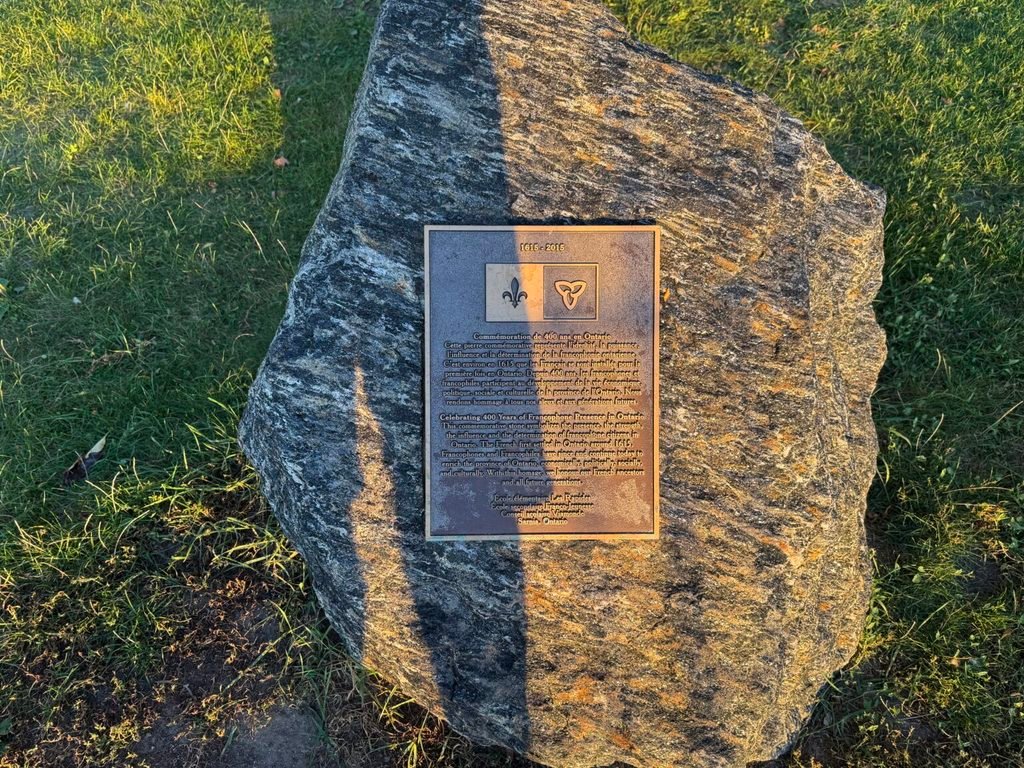
Honouring heritage: The deep roots of Francophone culture in Southwestern Ontario
Although Sarnia’s skyline shows the mark of modern industry and its waterfront highlights natural beauty, the city also has a cultural history that stretches back for centuries. A prominent tribute to this heritage is a commemorative stone monument which marks the 400 years of Francophone presence in Ontario (1615–2015). This monument, which displays the Franco-Ontarian flag—combining the French fleur-de-lis symbolising identity and the trillium representing Ontario—recognises the resilience, influence, and lasting determination of French-speaking people who first settled along the waterways of Ontario in the early 17th century.
The French presence in Southwestern Ontario goes back to explorers and fur traders such as Étienne Brûlé and Samuel de Champlain, who travelled the Great Lakes and set up important networks along the St. Clair River.
Over the course of four centuries, Francophones and Francophiles have played a fundamental role in forming the economic, social, political and cultural structure of Ontario. In Sarnia, this living history is still active today through educational institutions such as École élémentaire Les Rapides and École secondaire Franco-Jeunesse, as well as through active French-language school boards like Conseil scolaire Viamonde. These institutions make it possible for the language, traditions and cultural identity to continue to flourish among the younger generation.
Monuments such as this one celebrate historical achievements and give residents and visitors a chance to reflect on the diverse range of people who have contributed to the region’s development. In a community located on a border that has always seen movement and trade, respecting the Francophone legacy underlines the need to preserve culture even as urban areas continue to grow. By acknowledging Sarnia’s early French ancestors and looking forward to future generations, the city shows that its real strength lies not just in industrial innovation, but also in celebrating the rich cultural origins that form the basis of its community identity

Conclusion: A Balanced Vision for Sarnia’s Sustainable Future
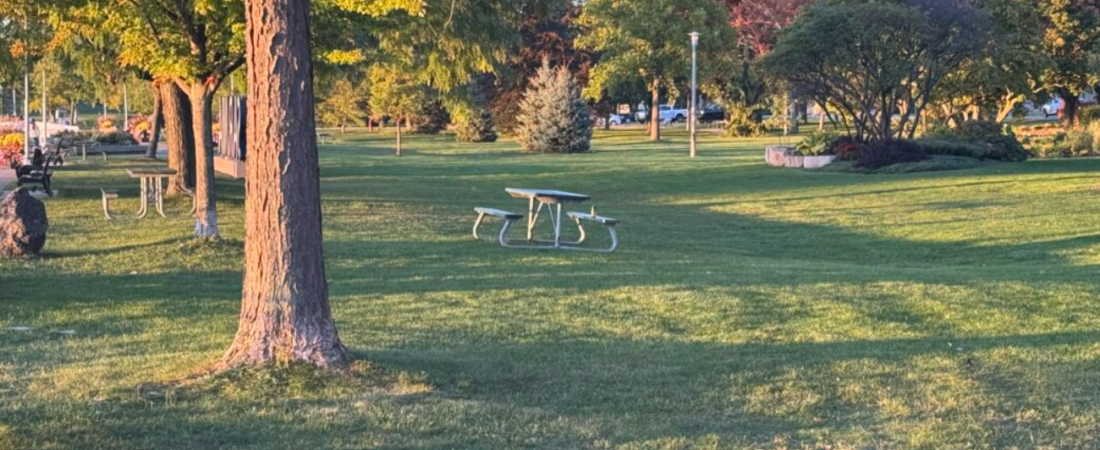
As the golden hour spreads a warm, amber light over Sarnia’s shaded parks and well-kept lawns, it becomes obvious that this border city has something genuinely rare—a harmonious balance between strong economic activity and a peaceful standard of living. The quiet park benches, picnic spots situated under the canopy of mature trees, and the abundant flower beds encourage residents to take a moment and savor the calm pace of life along the riverfront. This peaceful atmosphere embodies the fundamental spirit of modern Sarnia, a city in which its hard-working industrial background exists alongside a genuine respect for nature, leisure, and the well-being of the community.
Sarnia’s history is one of impressive resilience and a forward-thinking ability to adapt. Beginning as a strategically important trading post on the Great Lakes, it developed into North America’s “Chemical Valley” and is now undergoing a transformation into a state-of-the-art bio-hybrid chemistry centre; throughout all these changes, the city has managed to retain its sense of identity. It is a place where four centuries of French-Canadian heritage, a rich Indigenous history, and a variety of multicultural influences combine to form a lively social environment.
For the future, Sarnia is in an excellent position to meet the challenges of the 21st century. By focusing on clean technology, by developing public green spaces such as Centennial Park, and by keeping its historical and cultural sites, the city provides a contemporary example for other post-industrial communities around the world. Whether one is watching a quiet sunset in a park by the water, taking part in local cultural festivals, or working on clean-energy innovations, Sarnia shows that progress and sustainability can be achieved together.
To sum up, Sarnia, Ontario is not just an industrial crossing on Canada’s border—it is a lively, friendly, and sustainable waterfront community that respects its rich past while confidently creating a cleaner, brighter future for coming generations.
Article Reference & Credits
Publisher & Media Owner: Curated Scope (https://curatedscope.com/)
Content Creator / Author: Curated Scope
Photography Credits: All photographs and visual media featured in this article were captured by Curated Scope and are protected under copyright.
Licensing & Usage: No part of this text or image content may be reproduced, republished, or redistributed without explicit written permission and proper source attribution back to Curated Scope