
Preserving the Shoreline: The Crucial Role of Managed Coastal Access Points
The area where the land meets the large open water is a dynamic and inherently fragile ecosystem, one that is constantly altered by the persistent action of wind and waves. For the communities that live in such lively coastal areas, these natural surroundings are more than just a scenic feature; they are important assets for local economies, for recreational pursuits and for mental well-being. There is a strong attraction to sandy beaches, but if this foot traffic is not properly controlled it can cause serious damage. Uncontrolled walking tends to destroy the delicate vegetation in the dunes, since the intricate root systems of this vegetation are essential for holding the sand particles together and for preventing erosion. This in turn speeds up the destabilisation of the dunes, increasing the coast’s vulnerability to storm surges and rising water levels and thus affecting both the infrastructure and the habitats.
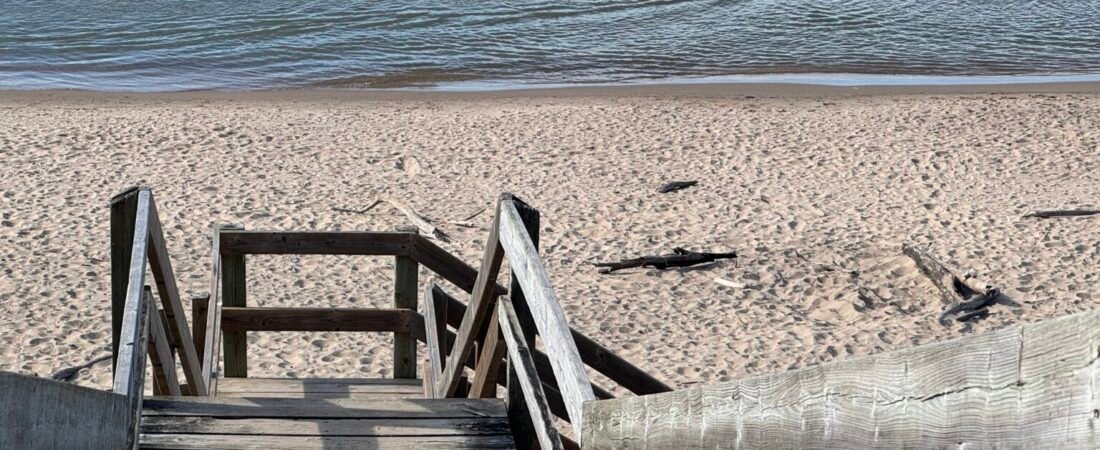
It is necessary to deal carefully with the relationship between environmental responsibility and public access by means of appropriate infrastructure. Examples of such a sustainable method are well-built, weathered timber staircases, like those shown in the illustration. These raised access routes are not simply convenient ways of descending; they have a deep conservation role. By directing pedestrians along a specific path, they greatly cut down the wide-ranging effect of people entering sensitive areas. This forward-thinking measure greatly reduces the loss of early-succession plant species, such as marram or beach grass, which are vital for the natural formation and stabilization of dunes. Moreover, by raising the walkway, sand is able to move and build up naturally underneath, thus preserving the natural hydrological and geomorphological processes that are important for beach replenishment. Coastal management practices should therefore include these types of engineered solutions in order to achieve a balance between accessibility and the need for long-term ecological resilience and the preservation of habitat.
The Importance of Structural Integrity and User Navigation in Coastal Infrastructure
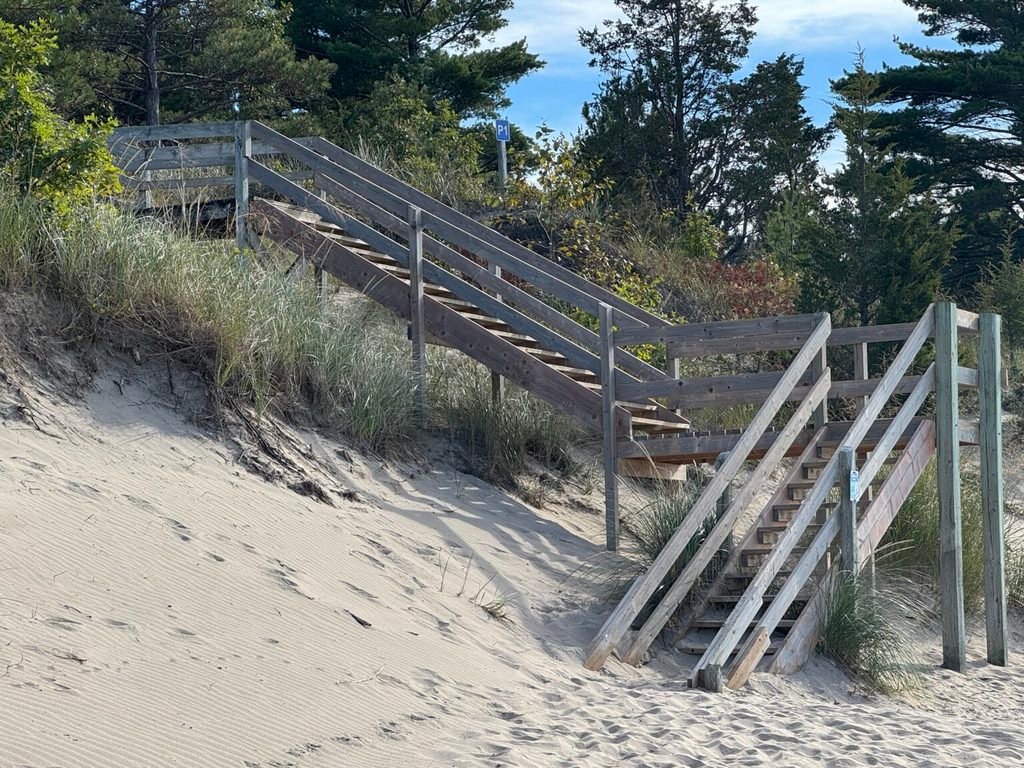
Beyond its main role in terms of the environmental function of raised dune crossovers, the particular structural design together with the features intended for users are essential to their success. The engineering shown in the new view stresses not just structural stability but also the design decisions that are user-focused. On close examination, the staircase’s geometry shows a complex system of multi-directional stability. The structure has to offset not only the vertical force caused by pedestrians but also the lateral pressures applied by the moving sand dunes. The diagonal cross-bracing seen in the framework is an excellent example of structural engineering, as it spreads out the stresses and keeps the platform firm and safe, even though the face of the dune gently recedes or moves forward. Such a strong construction is necessary for long-term safety, particularly in exposed, high-wind maritime areas where salt spray speeds up the weathering of the materials. It is a must to carry out regular inspections, focusing on the integrity of these important joints and on the condition of the pilings that are anchored deep in the sand, as part of preventive maintenance.
Moreover, the inclusion of clear navigational indicators, for example the noticeable blue “P1” sign, greatly increases the value of the facility to the public. In large coastal park systems, especially on extensive, wide dune areas, getting lost is a common problem. It is not just a helpful feature but a fundamental element for ensuring user safety and for providing a good visitor experience. Such signage turns a simple path into an organised system of navigation, lowering the mental effort required by visitors and improving the overall flow. By clearly showing where the parking access is, the signage promotes adherence to the prescribed route, thus further underlining the ecological protection benefits that were previously discussed. A path that is clearly marked and well maintained is one that is in fact used, and this directly results in less damage to the neighbouring sensitive fore-dunes. The careful combination of physical durability and clear communication shows a comprehensive approach to managed coastal access, one in which engineering excellence supports both visitor enjoyment and environmental conservation.
Ecological Ecotones and Boardwalk Design: Navigating Inland Coastal Habitats
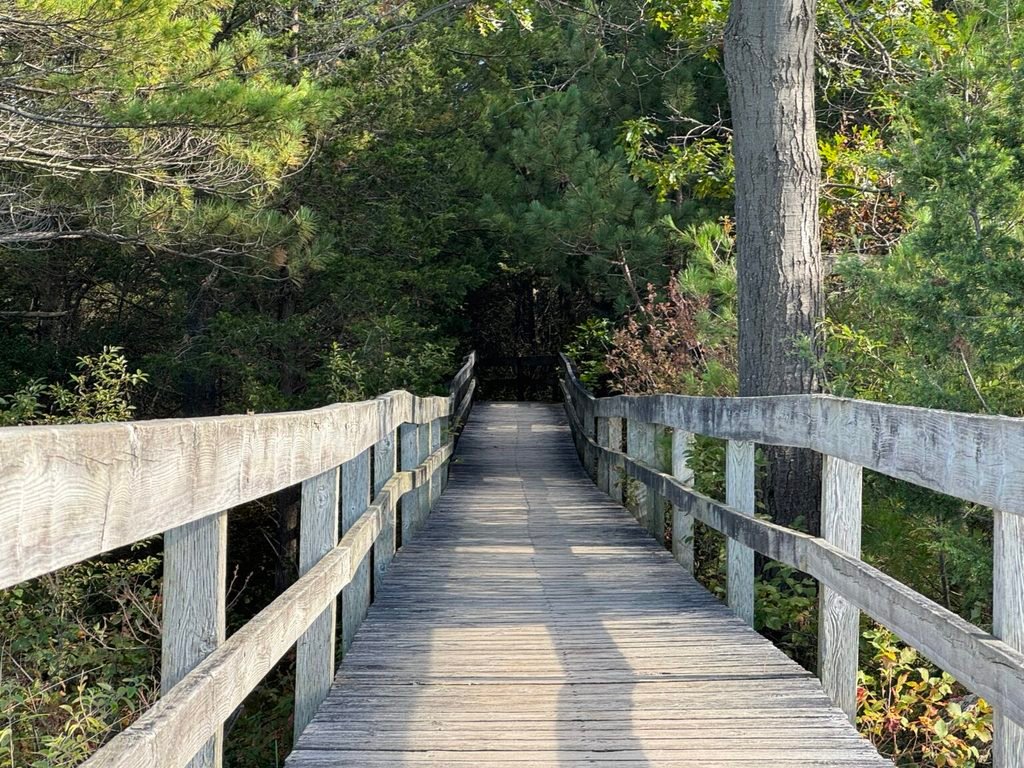
Transitioning from the wind-swept fore-dunes into the sheltered back-dune environment reveals a stark ecological shift, known as an ecotone. As depicted in the image, the landscape dramatically changes from exposed sand and beach grasses to a dense, canopy-covered forested wetland. These transitional areas represent vital microclimates that support diverse wildlife species, including migratory songbirds, amphibians, and specialized plant communities. However, because back-dune forests often feature damp, soft soil profiles and fragile understory vegetation, human foot traffic in these inland corridors can cause severe, long-lasting environmental damage through soil compaction and micro-habitat fragmentation.
To mitigate these impacts, elevated wooden boardwalks serve as an indispensable infrastructure tool for habitat preservation. By suspending pedestrian traffic above the forest floor, boardwalks prevent the destruction of delicate root networks and maintain unobstructed pathways for hydrology and small fauna underneath. From a structural perspective, utilizing pressure-treated or naturally rot-resistant timber planks with uniform spacing allows rain and sunlight to reach the ground beneath, sustaining underlying mosses, ferns, and microorganisms. Additionally, continuous lateral handrails act as a physical barrier that subtley discourages off-trail exploration, preserving the natural wilderness character while preventing the spread of invasive plant seeds along secondary social paths.
Beyond conservation benefits, boardwalks substantially improve universal accessibility and safety. The flat, non-slip surface provides a stable walking plane for visitors of varying physical abilities, including elderly park patrons, families with strollers, and individuals with mobility aids who would otherwise be unable to navigate soft sand or uneven root-strewn forest floors. Furthermore, the psychological transition experienced when moving along a elevated wooden planked trail-from the open maritime light into the quiet canopy of the woods-enhances environmental education and outdoor appreciation. Integrating well-maintained boardwalks into coastal management plans ensures that vulnerable back-dune ecosystems remain intact while remaining open, educational, and accessible for public enjoyment over decades to come.
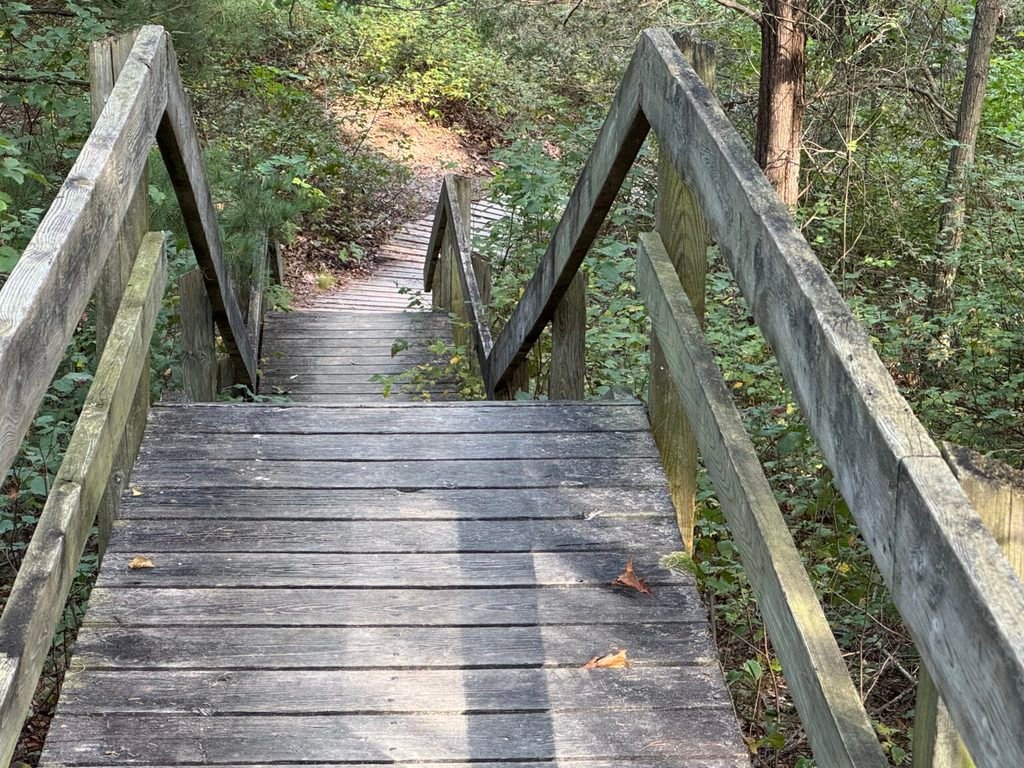
The best way of illustrating the future of coastal access infrastructure—especially as it relates to long-term sustainability—is to look at situations where man-made paths cross with evolving landscapes. This is evident in the example of the forest staircase, for it shows that there are particular structural and ecological challenges involved in coping with changes in elevation within inland coastal forests. The stepped wooden descents allow visitors to move safely over steep changes in ground level without dislodging the topsoil which helps to stabilise the slope or causing erosion gullies that are liable to landslides. The visitors’ feet staying off the soil bank leave the root systems of the native trees and the undergrowth undisturbed and thus the stability of the slope is preserved in the long term.
The long-term success of coastal access infrastructure is completely based on the use of proactive and adaptive management techniques.For maintenance programmes to be sustainable it is necessary to consider the natural deterioration of the timber, the movement of the ground underneath, and the effects of severe weather. Land managers should carry out frequent inspections to examine the condition of the fasteners, the wear of the planks, and the amount of settlement of the foundations so that any necessary local repairs can be made before a catastrophic structural failure occurs. Moreover, the use of environmentally safe wood preservatives or switching to durable, recycled composite materials can also contribute to extending the useful life of boardwalks while at the same time reducing the quantity of chemical runoff into the adjacent water tables.
In the end, whether the access routes in question are crossings over coastal dunes or boardwalks in dense forest areas, it is clear that the protection of the environment and people’s enjoyment of it are not mutually exclusive. If properly designed and robust infrastructure is installed, the park authorities can prevent delicate habitats from being trampled on while at the same time offering people safe and inclusive chances for outdoor recreation. These elevated timber structures act as a practical illustration of modern conservation principles in that they demonstrate how human interaction can be carefully directed so that the fragile coastal ecosystems remain resilient, functional and beautiful for many generations to come.
Article Reference & Credits
Publisher & Media Owner: Curated Scope (https://curatedscope.com/)
Content Creator / Author: Curated Scope
Photography Credits: All photographs and visual media featured in this article were captured by Curated Scope and are protected under copyright.
Licensing & Usage: No part of this text or image content may be reproduced, republished, or redistributed without explicit written permission and proper source attribution back to Curated Scope